Wisdom of the Body — developing depth and sustainability in self-practice
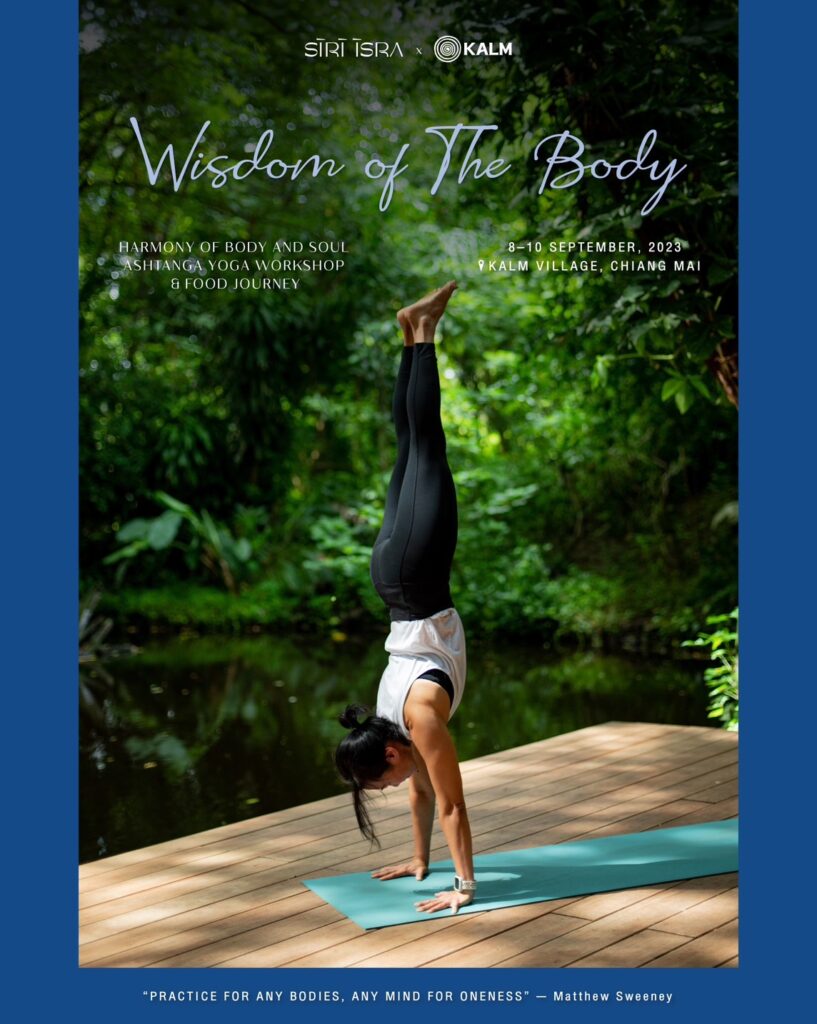
8-10 September, 2023
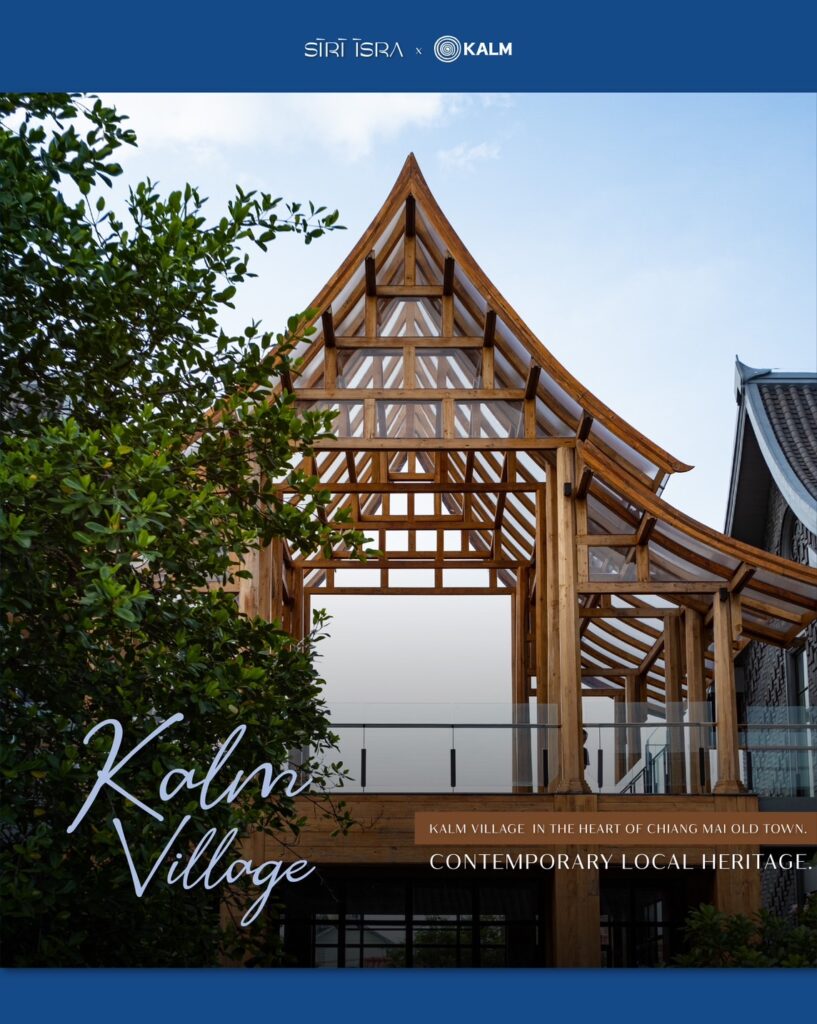
at Kalm Village, Chiang Mai, Thailand
Booking

3-day Ashtanga Workshop by Kru Naw from Ashtanga Samasthiti
8-10 September, 2023

“Practice for any bodies, any mind for oneness” 
— Matthew Sweeney
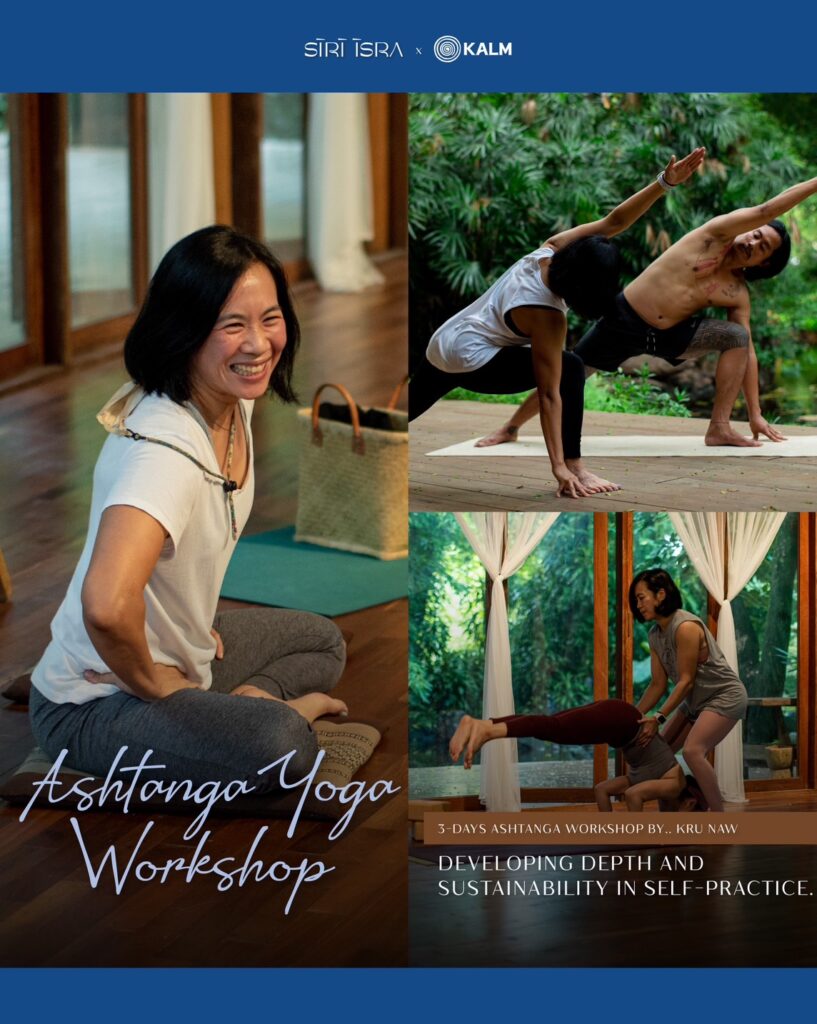
This 3-day ashtanga workshop is aimed to share some tools to support our self-practice, in terms of depth and sustainability. Complimentary to the mysore practice in the morning, we will focus on pranayama, moon salutation, body awareness and therapeutic practice.

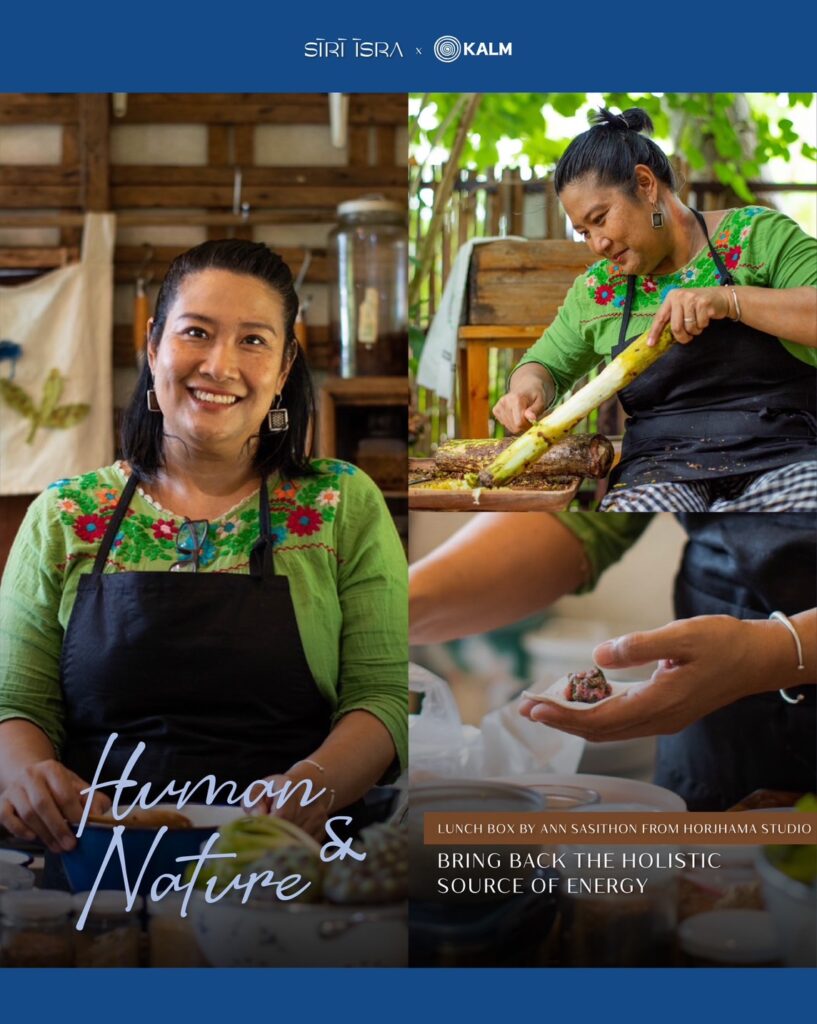
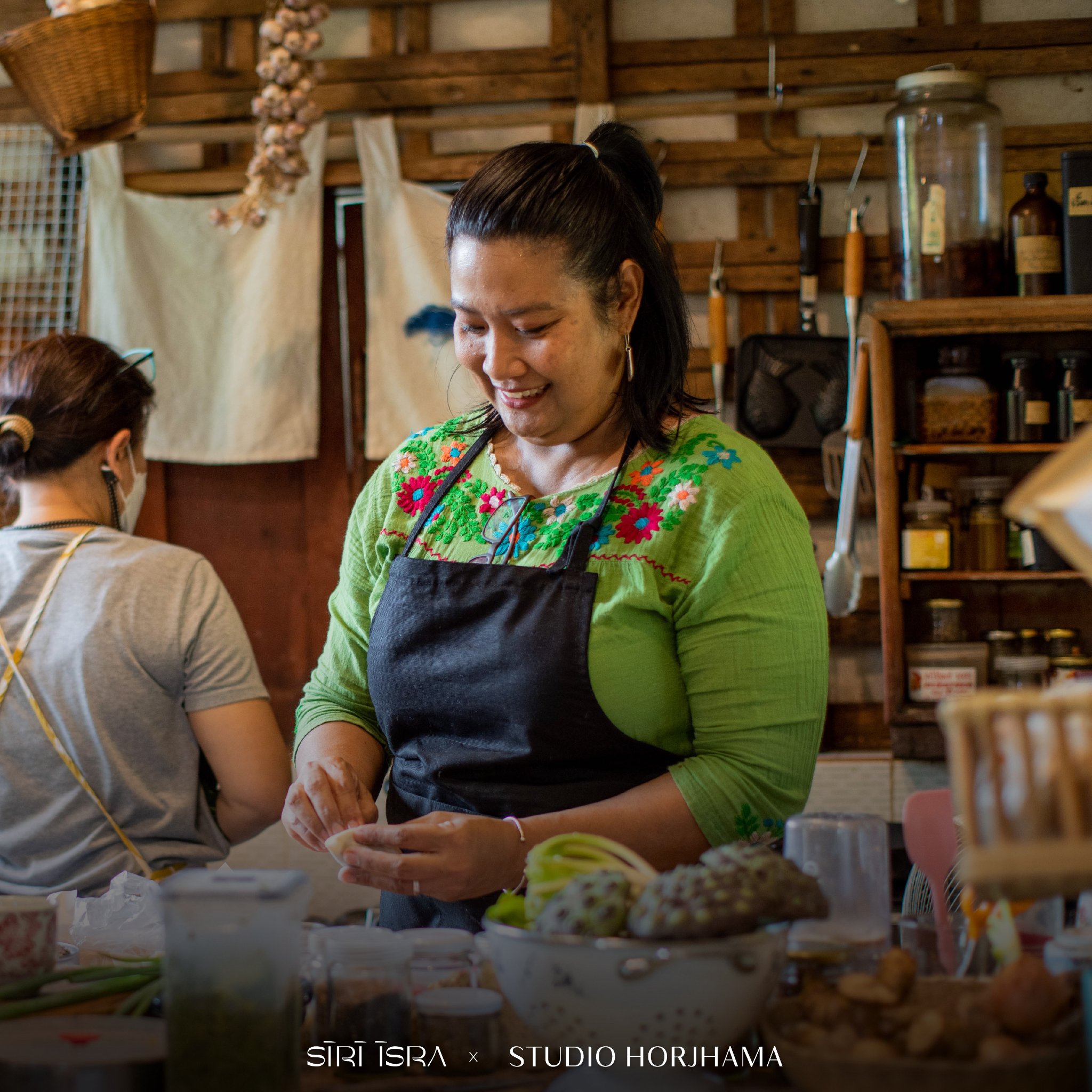
The workshop includes 3 days of morning and afternoon classes and guided practice, and sustainable and wholesome lunch by Ann Sasithon from Studio Horjhama.

Schedule

8th September
– 9.30 – 11.00 Ashtanga Mysore (950 ฿)
– 14.00 – 16.00 Foundation Pranayama + Chandra Krama (1,250 ฿)

(Chandra Krama “ Chandra Krama was originally designed as a counterbalance to dynamic practices such as the Primary Series. Although it is intended as a support practice versus your main sequence, it also helps practitioners to balance all aspects of Yoga by applying some key universal principles: here and now awareness, letting go, balancing Rajas and Tamas to become Sattva, meditation, and a therapeutic and individual approach. Chandra Krama is intended to be gentle, flowing, light, and graceful.- Matthew Sweeney)

9th September
– 9.30 – 11.00 Ashtanga Mysore (950 ฿)
– 14.00 – 16.00 Sustainability, Possibilities and Stability in Asana Practice (1,250 ฿)

To develop sustainability and stability in the practice, we will begin by exploring the concept of “atha yoga anushasanam” and its relevance to individual practitioners. Our primary focus will be on mapping the practice to suit each individual’s needs. By delving into the intricacies of pranayama, understanding the unique characteristics of your physical body, and embracing the inherent nature of key asanas, we aim to guide you towards uncovering the depths and progress that come with long-term practice. Through this personalized approach, we will provide valuable insights and tools for your personal growth and development.

10th September
– 9.30 – 11.00 Lion Cub / Marjara Krama (1,250 ฿)
– 12.00 – 14.00 Special Food Workshop from p’Ann (250 ฿)

The Lion Cub workshop offers a therapeutic approach to enhancing range of motion and cultivating greater awareness. During this session, participants will gain valuable insights into utilizing props effectively to promote deeper accessibility and mindfulness. By incorporating prop-assisted techniques, students will learn practical methods for building body awareness and expanding their range of motion.

Attend all class – 15% discount from 5,900 to 4,800 ฿,
plus Food Workshop

Attend 2 classes or more – 10% discount

* Included with any classes is a lunch box from Ann Sasithon, a local food activist who works as a bridge to connect organic farmers and many top chefs in Thailand.

* This yoga workshop is suitable for Ashtanga yoga practitioners of any level.

Health

Our body, just like nature, is an ecosystem. To cultivate and nurture a healthy body, we cannot isolate and focus on any single parts, but we have to care for the body as a whole.

Through the practice of yoga, we work for the wellbeing of the mind and body. With physical, mental (mindfulness), philosophical study, and a firm commitment to the practice, we believe that the practice would support us to discover the wisdom of the body and mind. 

Our intention is to offer a space for the study and practice of yoga as a medicine for the mind and the body. We trust that the practice and its wisdom will stay with us beyond the mats, support us to care for our wellbeing, and allow us to live life on the path towards splendid freedom.

Clothing

What if the clothes we are wearing everyday could be as alive as we are now?

What if this shirt, or this dress, is more than just a piece of cloth, but a story that reflects traditional wisdom and the biodiversity of the place?

It might be hard to imagine, especially in the time of fast fashion and mass-produced goods. Yet there is so much we could learn from the traditional way of making clothes, the process which carries many ancient and natural wisdoms passed on from generations to generations. 

From cotton flowers to yarn, natural dyes from plants, hand woven thread by thread into a piece of fabric that is turned into a wearable apparel. By experiencing first-hand with mamas of the village how clothes are made in traditional ways, we are invited to observe and reflect on the value of time and the care put into the process, and how much we could gain from living in alignment with the cycle of nature.

Shelter

How does the space around us influence how we live our lives?
Can we reclaim our knowledge to make informed decisions of how to create the space we want to live in?

From the material used, the consideration of the natural environment and local climate, to the function of the space, a simple but well thought-through architectural design can inform how we live and interact with others and the natural world. We believe that a great design of the space can support both the inhabitants and the ecosystem of the place to thrive in harmony.

By visiting and learning about well-designed spaces that care for the community and the environment, we can have the direct experience of the significance it has on how we live, how the level of energy and natural resources we consume change, and how it also affects us energetically. Through this, we can be inspired and reflect upon what changes we can make in our own spaces and our own lives.

Food

Food is a big thing.

Have we given it the attention it deserves?

It’s not only about the taste, because everything we choose to eat has an effect both on ourselves and the environment. The environmental issues we are facing these days, be it about the soil, the water, or the changing weather, can be linked to inefficiency of the food system.

For us, good food has to be good in 3 different areas — good for the consumers, good for the producers and good for the environment. 

The understanding of where our food comes from plays a big role in the choices we make. Through field visits, tasting and direct experiences, we wish to bring together the food producers and consumers, to share and exchange questions and experiences, and ultimately bring us to have a better understanding of what is really on our plates. Through that, we can then make informed decisions to have a more positive impact from our consumptions.